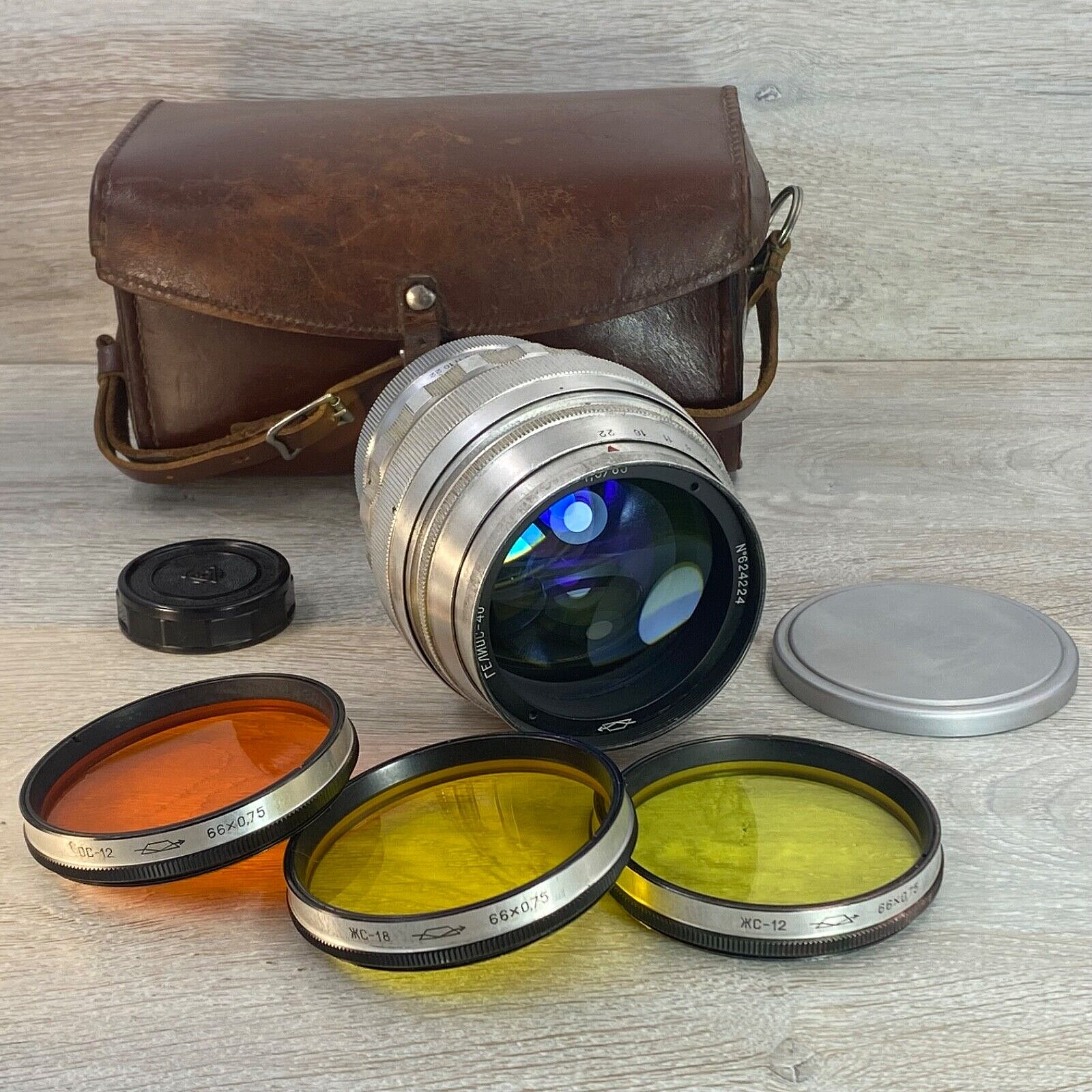
I am often underwhelmed by lens reviews. Modern optics have become so capable that many lenses are difficult to distinguish in ordinary use. There is one lens, however, that I keep returning to because it produces a dreamy, romantic rendering and distinctive swirling bokeh: the Helios-40 85mm f/1.5.

A heavy manual lens like this takes time to get used to. When shooting wide open, as I often do, it quickly becomes clear that sharpness is not its strongest quality. The centre of the frame can be usable, but sharpness falls away towards the edges. The result can look hazy if the subject is not positioned carefully.
The lens is also prone to flare. That can be a disadvantage when shooting towards the sun, as the image can lose contrast and become washed out. But flare can also contribute to the dreamy rendering I enjoy. To bring out the swirling bokeh, I look for backgrounds with small, bright highlights: sunlight passing through branches, reflections or other sources of specular light. I then try to light the subject separately and keep the background working in my favour.

Here is another example, photographed in natural light and in the shade. Lui, my puppy, had to endure another appearance on social media. I think the photograph shows the organic, soft quality this lens can produce. There are distracting cables on the right, but the light and rendering give the image a quality I find difficult to reproduce with modern lenses.

As I mentioned earlier, backlighting makes an already demanding lens even more difficult to use. Focusing at f/1.5 is challenging because the depth of field is extremely shallow, and the weight of the lens does not make the process any easier. Taking it out for street photography requires patience and deliberate technique. Eye focus is particularly difficult when photographing people spontaneously. An autofocus adapter such as the Techart or Fotodiox solution may help bring the focus closer, but it does not turn the lens into a native autofocus optic.

Despite the compromises, this lens has become one of my favourites. It is fun to use, it makes me think differently about composition and focus, and the results can be worth the effort.
Leave a Reply