Category: Master Data Management
-
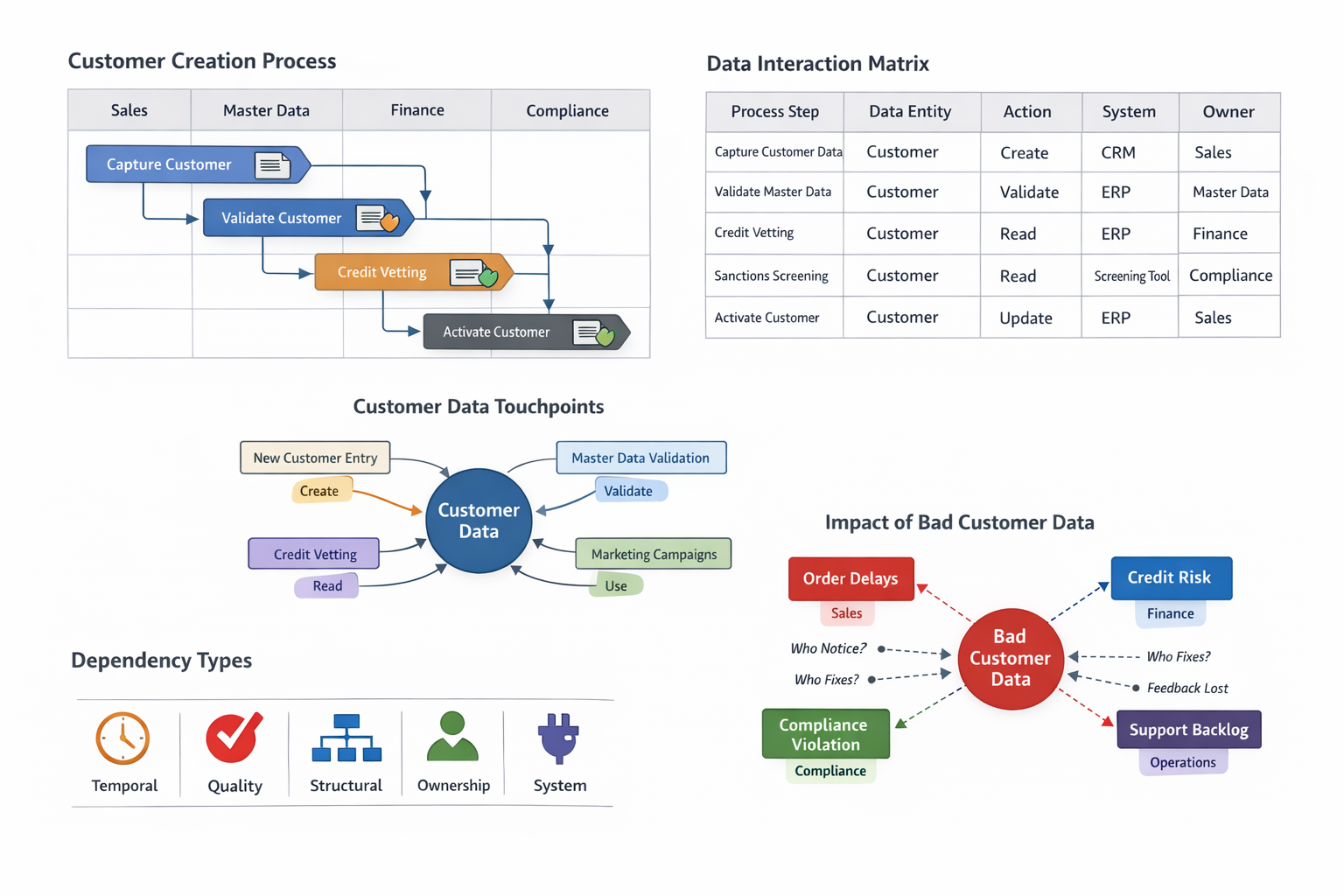
Process-Centric Thinking for Data Governance
In my previous post, I argued that Critical Data Elements are not defined by importance. They are defined by process dependency. Data does not become critical because it exists or because it sounds important. It becomes critical because something in the business breaks when it is wrong, late, missing, or ambiguous. That insight exposes a…
-
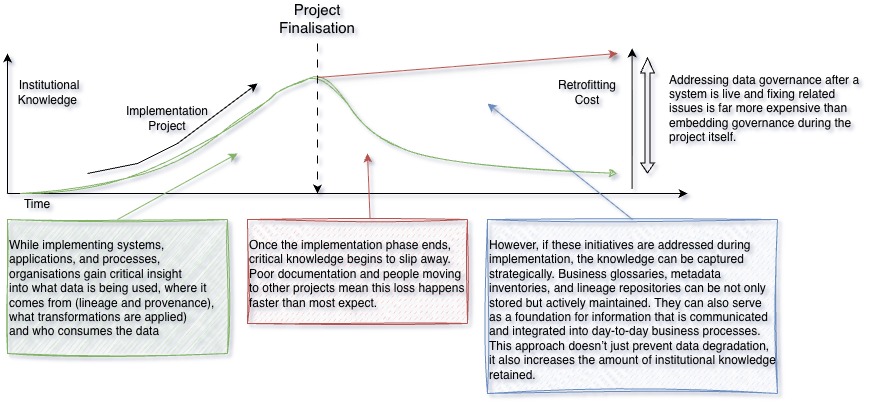
Data Governance by Design
Data is the lifeblood of any organisation today. When treated well, it informs decisions, fuels innovation and keeps operations running smoothly. When treated poorly, it causes frustration, slows progress, and wastes money. Most organisations have tried fixing data after the fact. They spend months untangling old systems, cleaning up errors, and enforcing rules nobody remembers.…
-
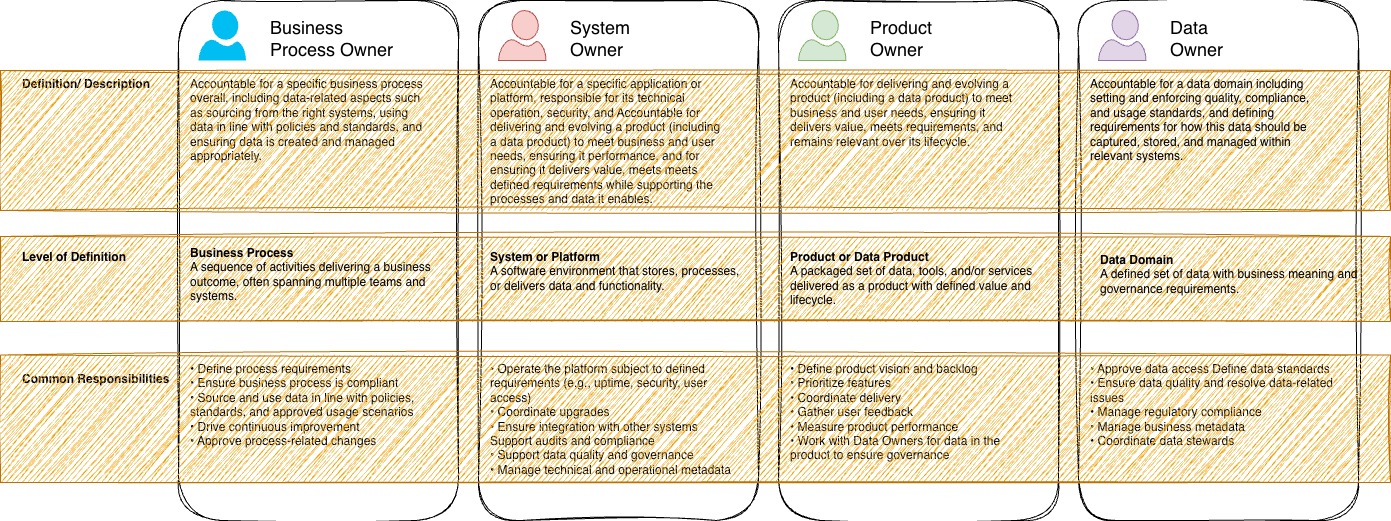
The Many Faces of Data Ownership
In data management and governance, few terms cause as much confusion as “data owner” Across organisations, you’ll hear about data owners, process owners, system owners, product owners, and platform owners, often with overlapping definitions and unclear boundaries. Sometimes “owner” means the person who funds a capability, sometimes it’s the one accountable for day-to-day operations, and…
-
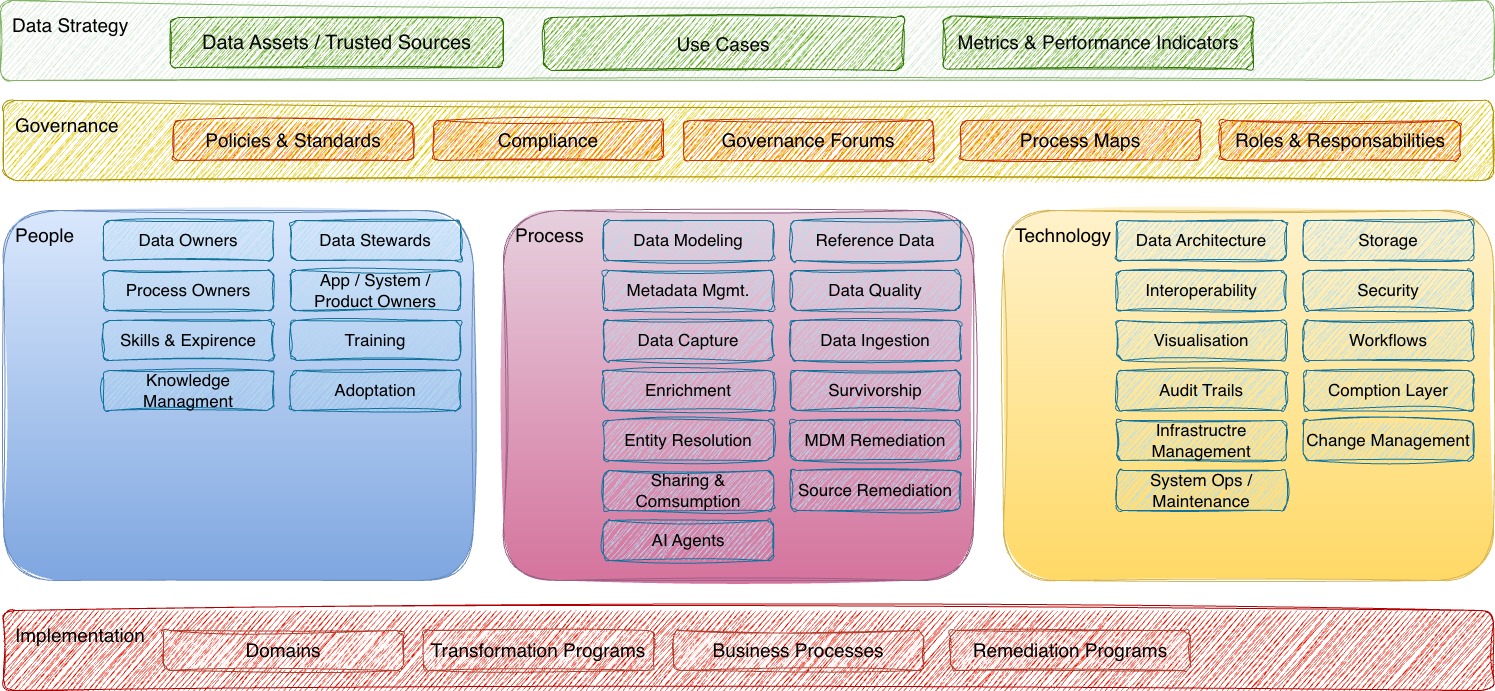
A Fit-for-Purpose MDM Framework
There are many strong MDM frameworks already available, and my own version has undoubtedly drawn inspiration from several of them. However, none of the existing frameworks worked for me as a standalone tool in real-world assessments. To ensure the quilt is complete, I often found myself combining two or three just to cover all the…
-

From Firefighting to Flow
It may sound counterintuitive, but I believe most organisations do not struggle because they lack data governance frameworks, tools, or clearly defined roles. They struggle because they fail to learn. Data errors are discovered, corrected, and quietly forgotten, only to resurface later in a different report, a different system, or a different business process. Each…
-
Everyone Has Their Own Agenda, Even When the Project Is Shared
Thoughts on making data governance more than just a checkbox Everyone talks about data governance. Frameworks, policies, stewardship roles, governance boards, you name it. Yet, time and again, organisations struggle with poor data quality, inconsistent definitions, and slow decision-making. The harsh truth is that governance seldom works by itself. Policies do not fix bad data.…
-

Why Organisations Struggle to Establish Data Stewardship
Organisations appoint data stewards, draw governance charts, and publish policies, yet data quality problems persist. This is not because frameworks are missing or tools are inadequate. Most failures stem from how stewardship is introduced, positioned, and supported inside the organisation. In many cases, stewardship is launched with good intentions but built on false assumptions. The…
-
Remitters and Recipients
In data governance discussions, we often focus on owners, stewards, domains, and products. What receives far less attention, yet causes many misunderstandings, is a simpler and more powerful distinction: who remits data, and who receives data. This perspective shifts the conversation away from abstract accountability and toward how data actually moves, changes, and creates value within…
-
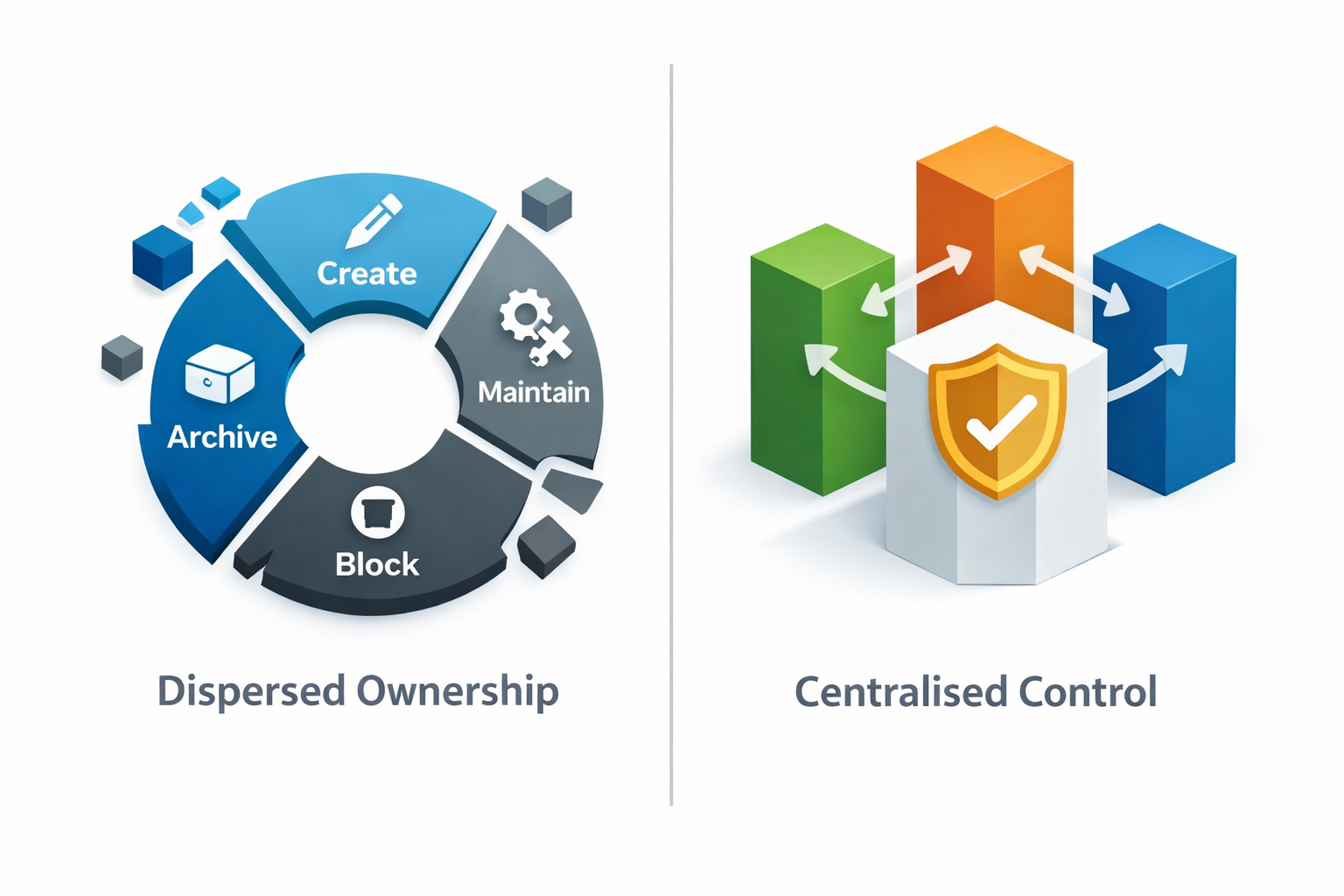
Dispersed, Lifecycle-Based Ownership Feels Right, and Fails in Practice
Dispersed, lifecycle-based data ownership sounds ideal. It promises clarity: data is maintained close to where it’s used, each domain owns the data it cares about, responsibilities shift smoothly from creation to maintenance, blocking, and archiving, and shared attributes are carefully guarded. On paper, it’s elegant and mature. In practice? It rarely works the way we…
-

Stop Chasing Data, Start Fixing Processes
In my experience, everything in master data starts and ends with processes. Yet, so often I see organizations focusing on data quality as if it exists in isolation, running audits, building dashboards, and defining rules while the processes that generate and use that data remain flawed or misunderstood. Data does not create value on its…