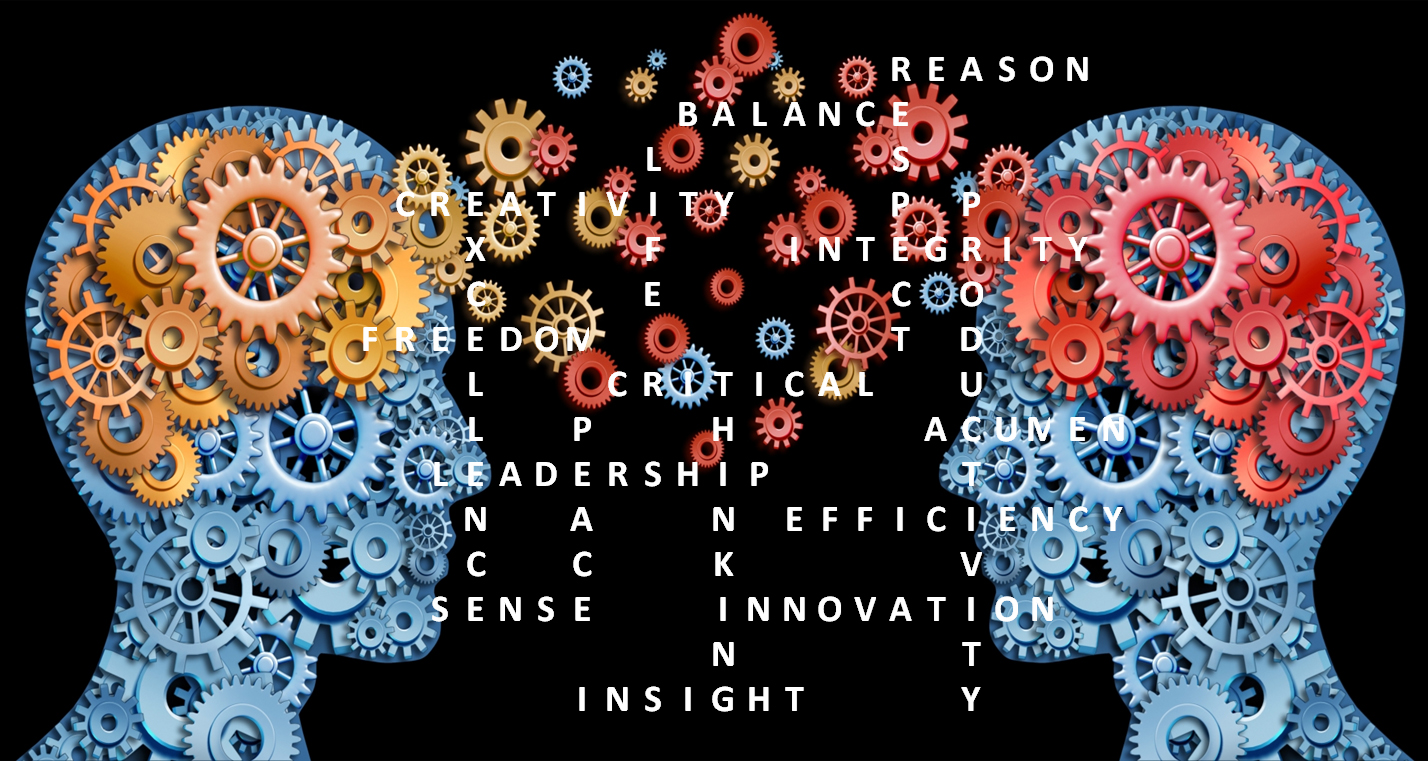
In my work, I use both analytical and critical thinking, combining them for a balanced approach—analysis provides the facts, while critical thinking ensures proper interpretation and swift, reasoned elimination of solutions. Analytical thinking helps understand how things work, while critical thinking helps decide what to believe or do.

Analytical thinking is key to structuring complex problems into manageable components, systematically evaluating data to uncover patterns and insights. It ensures a data-driven approach, making information relevant and actionable while applying logical reasoning to guide architecture decisions.
Strong analytical thinking extends into critical thinking, enabling the recognition of data trends, connections between seemingly unrelated information, and evidence-based reasoning for solution development. This skill is essential in data-driven architecture, strategic planning, and informed decision-making. By structuring and evaluating data effectively, we uncover insights that drive innovative, efficient solutions; bridging technical and business needs to create scalable, value-driven architectures.
Developing analytical thinking skills takes practice and intentional effort. Enhance problem-solving by breaking down complex issues into smaller parts, then use critical thinking to narrow the solution space. Challenge assumptions, frequently ask “why” and “how” and explore alternative explanations.
Improving data interpretation and pattern recognition helps spot and understand trends. I sharpen pattern recognition by using visualization tools like mind maps, which clarify connections. By combining analytical and critical thinking from the outset; rather than passively consuming information; its important to evaluate arguments and evidence. Adopting different viewpoints forces me to analyze issues from multiple angles, while running what-if scenarios hones my ability to anticipate potential consequences.
Leave a Reply